Evening Consultation: Mole Fat and Ape Testicles - Can Animals Cure Humans?
Medicinsk Museion, Copenhagen · 95–145 kr. · ≈ 13–19 €
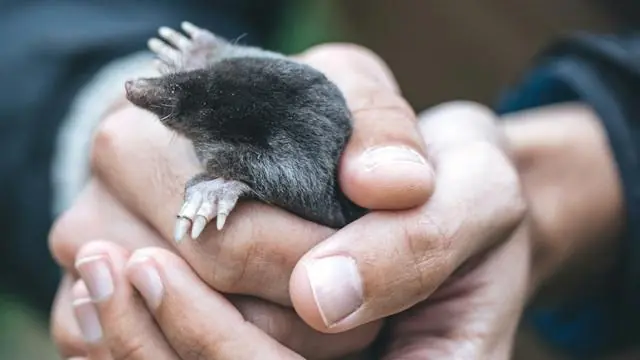
Evening Consultation on Animals in Medicine: Wednesday 4 November 2026, 19:00–21:00, Medicinsk Museion, Copenhagen. Tickets cost 95–145 kr.
Tickets: Student 95 kr. / Standard 145 kr. A Hypochondriac ticket grants access to all three Evening Consultations at a combined "healing" discount price of 395 kr. - it can be purchased by clicking here. After the lecture, there is a glass of sparkling wine (included in the ticket), and the museum's exhibitions remain open until 21:00.
From beaver gland against arthritis to roasted mice against bedwetting: humans have always used animals in the treatment of diseases and ailments. This evening explores the place of animals in folk belief and how current research into chimpanzee testicles can shed light on declining sperm quality in men. What were the ashes of a burnt adder or secretions from a beaver gland actually supposed to cure?
Archaeologist and cultural historian Inge Kjær Kristensen has since the 1990s investigated folk medicine's use of animals and human body parts - a tradition stretching more than 800 years back in Danish history, when doctors and wise men and women offered remedies for all manner of ailments. Drawing on her book "Beaver Gland and Mole Fat", she tells of cures that we today would find peculiar and almost hair-raising.
Professor Kristian Almstrup from the University of Copenhagen and Rigshospitalet investigates together with an international research team why men's sperm cells perform so much worse than those of apes. The research team has access to the world's largest collection of chimpanzee testicles and studies testicular tissue from chimpanzees, gorillas and orangutans. Because apes' genetic material is virtually identical to humans', a look inside their testicles can tell us something about our own biology and about the future of fertility - perhaps there are even evolutionary forces at play.
Lecturers: Inge Kjær Kristensen, archaeologist, cultural historian and author, senior researcher at Museum Salling. Kristian Almstrup, professor at the Department of Growth and Reproduction at Rigshospitalet and the Institute for Cellular and Molecular Medicine at the University of Copenhagen.
Evening Consultations at the Medical Museum (autumn 2026): This season is about what animals can teach us about the body.
Lectures · Copenhagen 514 in the next 30 days →
 69lectureSun 25.10.Evening with Elin Brimheim Heinesen FO
 68lectureSat 21.11.Introduction to Knit Design
 65lectureWed 14.10.The Gospel Experience: WORKSHOP with Hezekiah Walker (USA), Mark Taylor (USA), Hans Christian Jochimsen (DK)
 65lectureTue 10.11.Science & Cocktails in X31: The Secrets Behind the World of Mushrooms
 63lectureMon 9.11.An Evening with Yotam Ottolenghi
 63lectureWed 11.11.Emma Holten and Sine Plambech on Debt
 100concertTue 23.3.Lizzy McAlpine
 100concertThu 22.10.Gavin DeGraw
 100concertSat 21.11.Sub Focus
 100festivalSat 7.11.Post Punk Fest Cph II
 100festivalFri 7.5.Turbo Jugend Weekend Ticket Råhuset/Basement
 100clubFri 23.10.Gravity presents: Eric Prydz - Copenhagen