Evening Consultation: From Ant to Whale - On Antibiotic Resistance and the Body's Healing Processes
Medicinsk Museion, Copenhagen · 95–145 kr. · ≈ 13–19 €
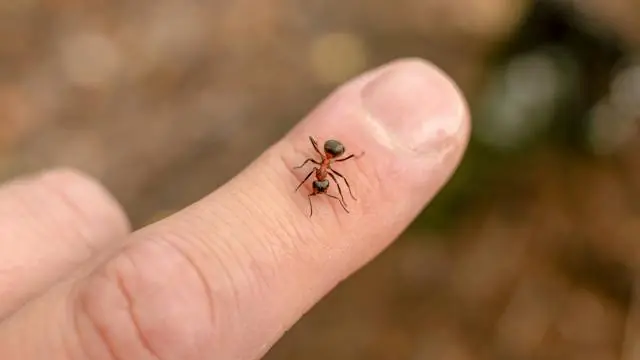
Evening Consultation: From Ant to Whale: Thursday 19 November 2026, 19:00–21:00, Medicinsk Museion, Copenhagen. Tickets cost 95–145 kr.
This evening consultation explores how animals - from the smallest to the largest - help researchers develop new medicines and better understand the human body. Can ants hold the key to new antibiotics, and what can marine mammals teach us about the body's healing processes? To understand humans, we must first learn more about animals.
Henrik Lauridsen researches regenerative medicine and biology. Rather than studying humans alone, he places large marine mammals in CT, MR, and PET scanners. By examining scan images of animals with special regenerative abilities, he investigates how the body can best heal damage from accidents or disease - for example, spinal injuries or heart damage.
Ida Cecilie Jensen is a biologist with a PhD in ants, and she won the Research Festival earlier this year for her research on ant footprints. Her work shows how ants and their foot bacteria can combat plant diseases in agriculture and may inspire new antibiotics - solutions shaped through more than 168 million years of evolution. As she puts it: "A small footprint from ants becomes a quantum leap for us humans."
Speakers: Ida Cecilie Jensen, biologist and PhD from Aarhus University, and Henrik Lauridsen, lecturer at the Department of Clinical Medicine at Aarhus University.
Tickets: Students 95 kr., standard 145 kr. A Hypochondriac ticket gives access to all three evening consultations for 395 kr. and can be purchased by clicking here. The price includes a glass of sparkling wine after the lecture, and the museum's exhibitions are open until 21:00.
Evening Consultations at the Medical Museum (autumn 2026): This season explores what animals can teach humans about the body, health, and medicine - from ants' role in fighting antibiotic resistance to CT scans of whales. The lecture series takes place in an auditorium from 1787, originally built as the Royal Surgical Academy.
Lectures · Copenhagen 514 in the next 30 days →
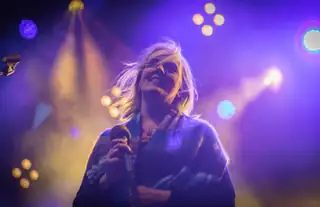 69lectureSun 25.10.Evening with Elin Brimheim Heinesen FO
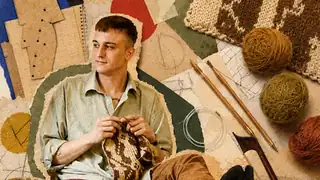 68lectureSat 21.11.Introduction to Knit Design
 65lectureWed 14.10.The Gospel Experience: WORKSHOP with Hezekiah Walker (USA), Mark Taylor (USA), Hans Christian Jochimsen (DK)
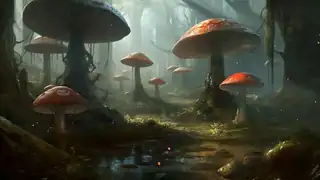 65lectureTue 10.11.Science & Cocktails in X31: The Secrets Behind the World of Mushrooms
 63lectureMon 9.11.An Evening with Yotam Ottolenghi
 63lectureWed 11.11.Emma Holten and Sine Plambech on Debt
 100concertTue 23.3.Lizzy McAlpine
 100concertThu 22.10.Gavin DeGraw
 100concertSat 21.11.Sub Focus
 100festivalSat 7.11.Post Punk Fest Cph II
 100festivalFri 7.5.Turbo Jugend Weekend Ticket Råhuset/Basement
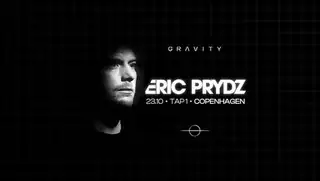 100clubFri 23.10.Gravity presents: Eric Prydz - Copenhagen