City Walk in 20th-Century Copenhagen - Democracy
Højbro Plads ved rytterstatuen af Biskop Absalon, Copenhagen
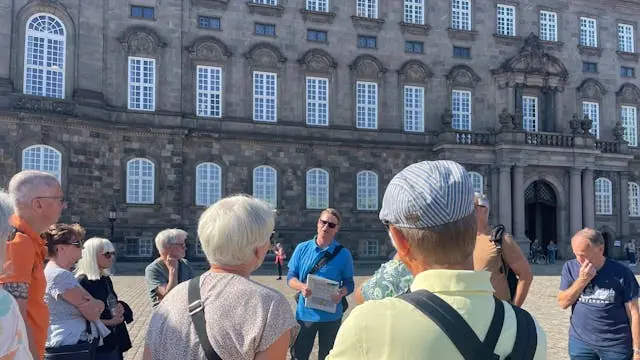
Historian Christian Holm Donatzky leads this walking tour through 20th-century Copenhagen, exploring the development of democracy from limited voting rights to universal suffrage for all adults - men and women across social classes. Along the way, the tour highlights the architectural, cultural, and labour-market innovations of the interwar period, as well as the role of liberation in debate and politics after the German occupation of 1940-1945.
The route starts at Højbro Plads and passes Christiansborg, completed after the 1915 constitutional amendment that granted women the right to vote. From there, the tour continues along Stormgade and Vester Voldgade to Rådhuspladsen, home to Copenhagen's City Council, which played a central role during the Easter Crisis of 1920.
Continuing along Jernbanegade, the group passes the entertainment quarter with Dagmar, Cirkusbygningen, Palads, Tivoli, and Scala - places that buzzed with life in the 1920s. The route passes Hovedbanegården and Halmtorvet and ends at Den Hvide Kødby on Vesterbro, the butchers' old functionalist hub, today filled with restaurants, clubs, and galleries.
Meeting point is Højbro Plads at the equestrian statue of Absalon. The tour is conducted in Danish.
Lectures · Copenhagen 514 in the next 30 days →
 69lectureSun 25.10.Evening with Elin Brimheim Heinesen FO
 68lectureSat 21.11.Introduction to Knit Design
 65lectureWed 14.10.The Gospel Experience: WORKSHOP with Hezekiah Walker (USA), Mark Taylor (USA), Hans Christian Jochimsen (DK)
 65lectureTue 10.11.Science & Cocktails in X31: The Secrets Behind the World of Mushrooms
 63lectureMon 9.11.An Evening with Yotam Ottolenghi
 63lectureWed 11.11.Emma Holten and Sine Plambech on Debt
 100concertTue 23.3.Lizzy McAlpine
 100concertThu 22.10.Gavin DeGraw
 100concertSat 21.11.Sub Focus
 100festivalSat 7.11.Post Punk Fest Cph II
 100festivalFri 7.5.Turbo Jugend Weekend Ticket Råhuset/Basement
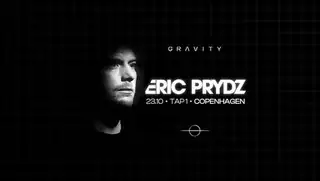 100clubFri 23.10.Gravity presents: Eric Prydz - Copenhagen