Full-day bus trip to Saksfjed and Hyllekrog on Saturday, August 29
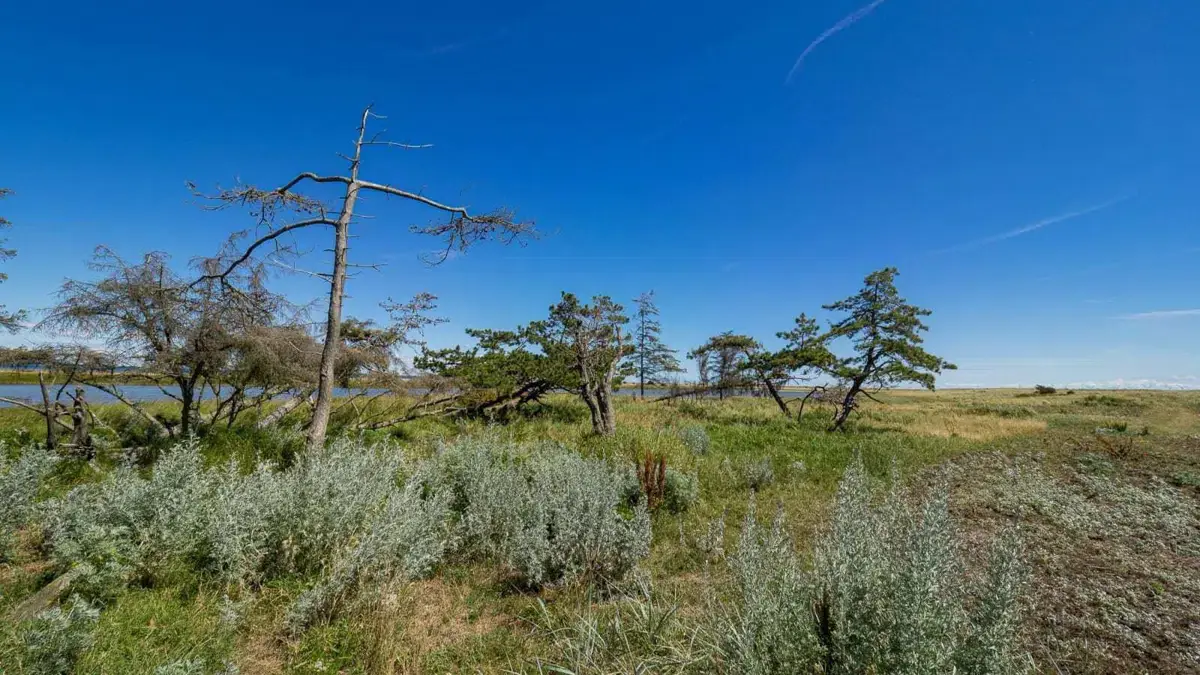
The trip departs from Farum Station at 7:15 a.m., with a brief stop in Ganløse before continuing to Stenløse, where the last participants board. The bus then heads toward South Lolland, reaching Saksfjed and Hyllekrog around 10:00 a.m. DN-Egedal will provide morning pastries. Please inform us at registration if you have binoculars; otherwise you can borrow from us. The tour is guided by ornithologist Arne Volf from DOF.
Bring your own packed lunch and drinks for the day. Practical clothing is recommended.
Saksfjed Embankment is a drained fjord bottom behind the Østersø dike to the south. The dike was built after a severe storm surge in 1872 flooded half of South Lolland. To the east lies the 5 km long, dune-like Hyllekrog peninsula. Between the peninsula and the mainland is a shallow water area. Hyllekrog and part of Saksfjed Embankment are owned by the Bird Conservation Foundation and form one of its largest reserves, with 163 hectares of deciduous forest, beach meadow, and dunes.
In October 2022, 775 hectares of nature and agricultural land in Saksfjed Embankment were purchased by the Hempel Foundation to convert it into wild nature.
In autumn, the bird of prey migration is the main attraction. On good days in late August and early September, honey buzzards can be seen in the hundreds migrating out, along with white-tailed eagles and marsh harriers. The area is also known for autumn butterfly migration, including admirals, which migrate out over the sea on warm, calm days in August and September. The area is home to other fascinating insects; recently, cicada grasshoppers and the clouded yellow butterfly have been discovered. Among amphibians, tree frogs and green frogs are common, and in the lakes and wet areas of Hyllekrog you can find the green toad. On Hyllekrog you can see harbour seals and, if you're lucky, grey seals. The embankment area has a very large population of fallow deer.
For the botanically interested, the area is also very fascinating. The dike region and Hyllekrog are home to species such as sticky groundsel, sea rocket, sand starwort, and other rare plants.
Events · Farum 11 in the next 30 days →
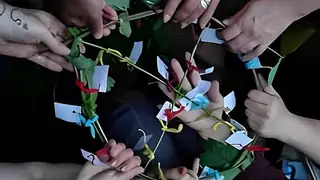 24lectureThu 15.10.Modern Witches, Nature Connections and Magical Practice
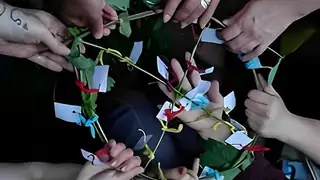 24lectureSat 24.10.Rituals, Transformation and the Year's Magical Thresholds
 65concertFri 4.12.Kristin Korb & Band feat. Mathias Heise, "That Time of Year"
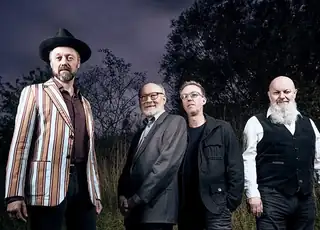 65concertFri 5.2.Benny Andersen & Dissings Univers → Hymner & Ukrudt
 58clubFri 21.5.Jan Glæsel & Rumors Corner Season Finale Dance Party
 48concertSat 7.11.Thorbjørn Risager Replacement Concert, Jazzmenu Ticket
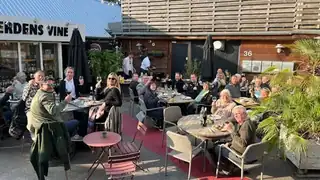 42festivalFri 23.10.The Year's Great Wine Tasting 2026! 25th Anniversary Edition!
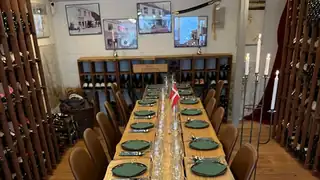 42festivalFri 4.12.Year-End Celebration at Alverdens Vine - "Thank You for This Year" Long Table Dinner
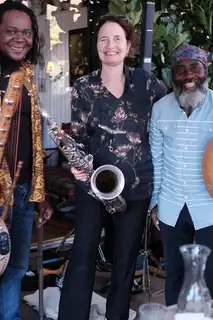 37theaterFri 19.2.Festive Family Friday with Bon Noir
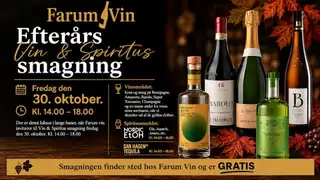 36marketFri 30.10.Autumn Wine & Spirits Tasting
 34clubFri 16.10.Friday Bar Quiz Night with DJ And
 34clubFri 13.11.Fredagsbaren's Quiz Night with DJ And