Debut Fest: "Cui Bono?" Polychromatic Speculative Archeology
Kildevæld Kulturcenter, Copenhagen
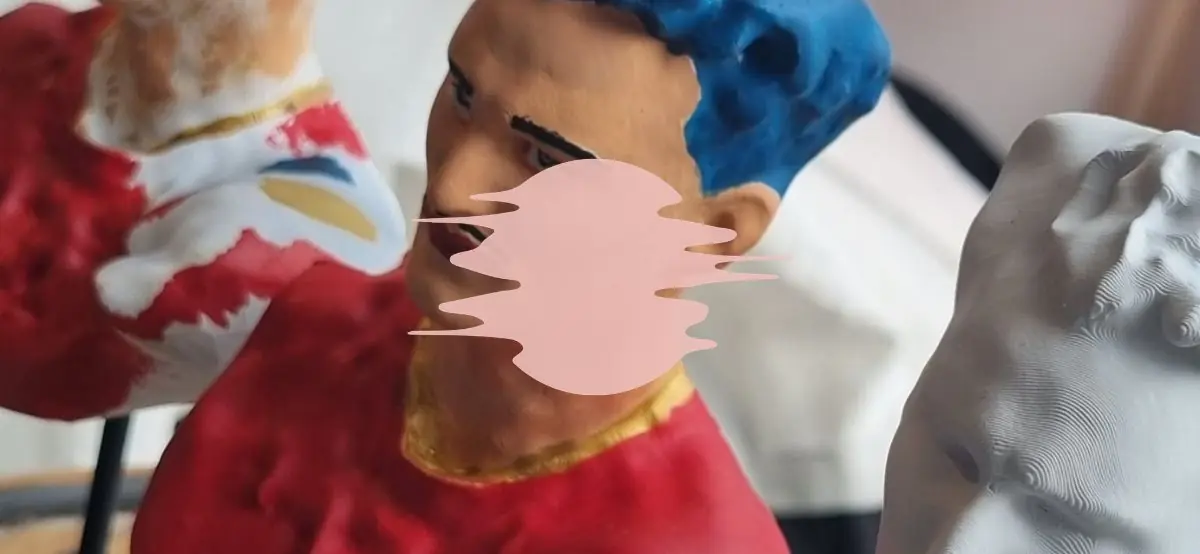
"Cui Bono?" is an art-historical speculative find that examines the ontological and discursive divisions in Western sculpture history. The white, polished sculpture has historically become a symbol of a Western body ideal - from the Renaissance and neoclassicism to recent right-wing uses of it as a fascistic male ideal. Polychromy stands against both: against the political distortion and against the historiography that has long made us believe that sculptors of the time worked exclusively in white marble and light sandstone without further decoration.
The work is also an example of speculative archaeology - a discipline in which artificial finds are created to sharpen critical awareness of objects within specific frameworks of understanding. A well-known example is a centaur skeleton at the University of Tennessee's library, assembled from human and horse skeletons. "Cui Bono?" attempts to create a "new" archaeological find, which is subsequently "restored" - with the irony that the work is a self-portrait, found and restored by the artist himself.
Emil Torp-Rasmussen (b. 1999) is a trained art historian and self-taught artist. He works with comic and skewed approaches in visual expression, but places particular emphasis on theoretical and historical frameworks for his works. Follow the artist on Instagram: @hatte_mageren
Exhibitions · Copenhagen 14 in the next 30 days →
 46exhibitionFri 5.3.Art Nordic: From Phoenix to Peace Dove
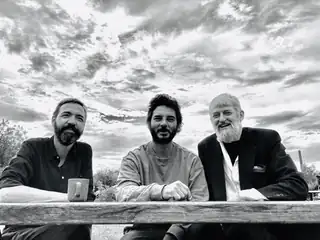 44exhibitionMon 12.10.Amar's Free Autumn Exhibition 2026
 39exhibitionSat 7.11.Sri Lanka - The Island of Jewels
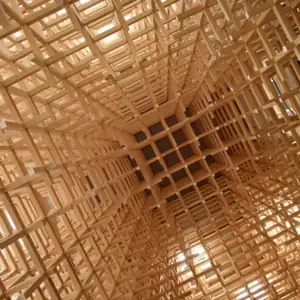 37exhibitionSun 28.2.Kengo Kuma / KKAA - Earth | Tree Exhibition / Copenhagen Contemporary
 36exhibitionWed 14.10.China's Fascinating Kingdom
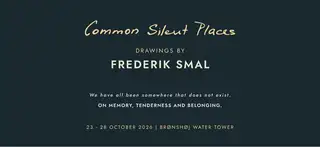 36exhibitionFri 23.10.Frederik Smal: Common Silent Places
 100concertTue 23.3.Lizzy McAlpine
 100concertThu 22.10.Gavin DeGraw
 100concertMon 12.10.Little big
 100festivalSat 7.11.Post Punk Fest Cph II
 100festivalFri 7.5.Turbo Jugend Weekend Ticket Råhuset/Basement
 100clubFri 23.10.Gravity presents: Eric Prydz - Copenhagen