In the Traces of the Slave Trade
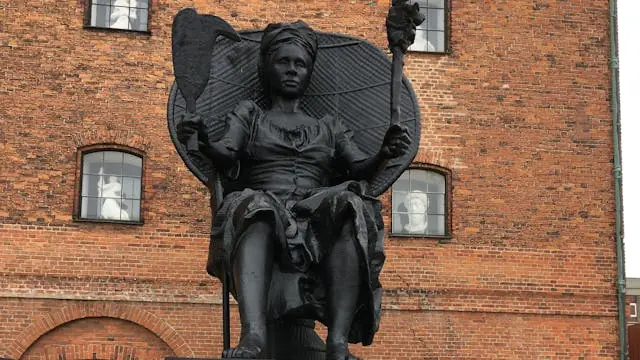
For nearly 250 years, Denmark was a colonial power in the Caribbean and conducted slave trade for over 100 years, buying people on the Gold Coast. The enslaved were transported from Danish forts to the West Indies, where they were forced to work in sugar cane plantations to produce the "white gold". The traces of this trade are many in Copenhagen - not least in Christianshavn, which was the starting point for nearly all the trading companies, merchants, and sailors who risked their lives in Danish colonial commerce.
The tour follows the triangle trade's path: where those involved lived across social classes, where trading companies had shipyards and warehouses, and what the flourishing trade period meant for those who made fortunes from it - visible today in the palaces of Frederiksstaden. Along the way, we hear about specific fates connected to the slave trade: Peter von Scholten, who "freed" the slaves, Governor Gardelin with his notorious slave regulations, and West Indian and African fates that ended in Copenhagen - as slaves, free people, or prisoners. The most prominent were the four rebel queens from St. Croix, who ended up in the city's women's prison.
The tour starts at Strandgade 4 in Christianshavn (1401 KBH), crosses the harbour, and ends at Vestindisk Pakhus, Toldbodgade 40 (1253 KBH).
Lectures · Copenhagen 514 in the next 30 days →
 69lectureSun 25.10.Evening with Elin Brimheim Heinesen FO
 68lectureSat 21.11.Introduction to Knit Design
 65lectureWed 14.10.The Gospel Experience: WORKSHOP with Hezekiah Walker (USA), Mark Taylor (USA), Hans Christian Jochimsen (DK)
 65lectureTue 10.11.Science & Cocktails in X31: The Secrets Behind the World of Mushrooms
 63lectureMon 9.11.An Evening with Yotam Ottolenghi
 63lectureWed 11.11.Emma Holten and Sine Plambech on Debt
 100concertTue 23.3.Lizzy McAlpine
 100concertThu 22.10.Gavin DeGraw
 100concertSat 21.11.Sub Focus
 100festivalSat 7.11.Post Punk Fest Cph II
 100festivalFri 7.5.Turbo Jugend Weekend Ticket Råhuset/Basement
 100clubFri 23.10.Gravity presents: Eric Prydz - Copenhagen