Scientific Lecture from Aarhus University: Hunting with the Ocean's Giants - Sensory Physiology with Peter Teglberg Madsen
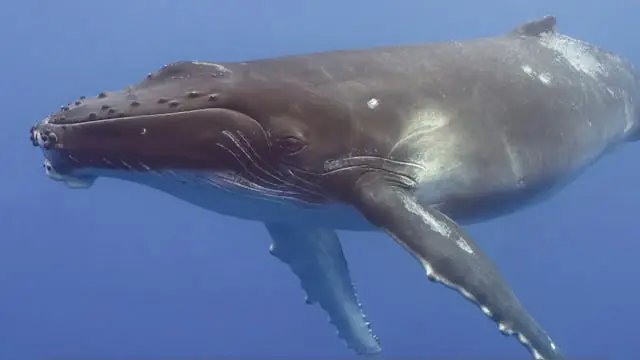
The world's largest ocean animals have lived hidden lives far from the coast until recent years. New technology - drones and measuring equipment attached to whales with suction cups - now allows researchers to study whales directly as they hunt in the depths.
Sensory physiologist Peter Teglberg Madsen takes the audience on a hunt through both Danish waters and the open ocean. We follow the harbour porpoise, the world's smallest whale, in Danish waters, and through deep-sea cameras we try to understand how the sperm whale finds food at depths exceeding 1,000 metres. The lecture also explores how a Greenland whale avoids freezing to death while feeding on billions of tiny prey in Disko Bay, and how a humpback whale mother can nurse her calf without eating for half a year.
Whales were once regarded as floating oil reserves and hunted to the brink of extinction. Today we know they play a crucial role as apex predators in ocean ecosystems. The lecture concludes with a look at how we can move forward in sustainable coexistence with them.
Lectures · Frederiksberg 40 in the next 30 days →
 51lectureTue 3.11.Coffee with Aske Bosselmann, Anders Barfod and Kjeld Hermansen
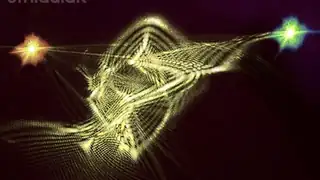 48lectureTue 20.10.Scientific Lecture: Quantum Computers by Physicist Klaus Mølmer
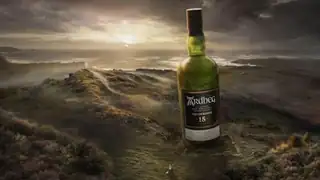 47lectureThu 5.11.Ardbeg Tasting with Distillery Manager Bryony McNiven
 44lectureTue 23.2.If Life Were a Musical - On Life's Great Themes
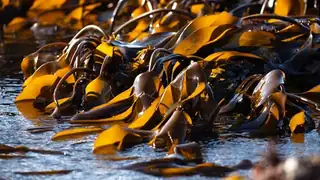 43lectureTue 17.11.Scientific Lecture: Seaweed by Marine Biologist Annette Bruhn
 40lectureWed 9.12.Let's Talk About... the Art of Being a Mother
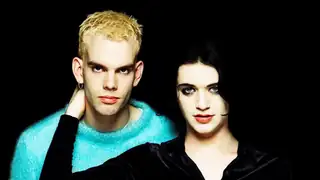 100concertSat 24.10.Placebo
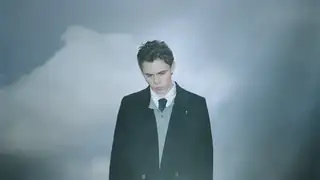 100concertSun 15.11.the Kid LAROI - Support: Nate Sib
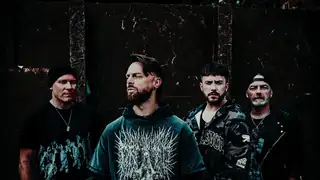 100concertSat 30.1.Bullet For My Valentine - Plus very Special Guests: Pendulum
 82stand-upThu 29.4.Bill Bailey
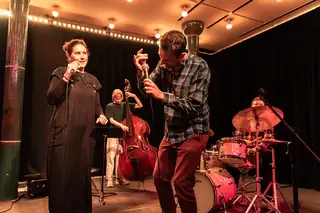 78festivalSat 24.10.Full-Day Voicingers Denmark
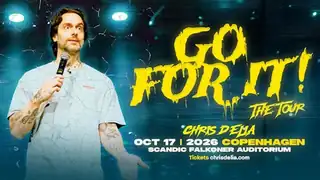 77stand-upSat 17.10.Chris D'Elia - Go For It! The Tour - Copenhagen