Will the Entire Nordic Region Join the EU?
Hovedbiblioteket, Aarhus · Free
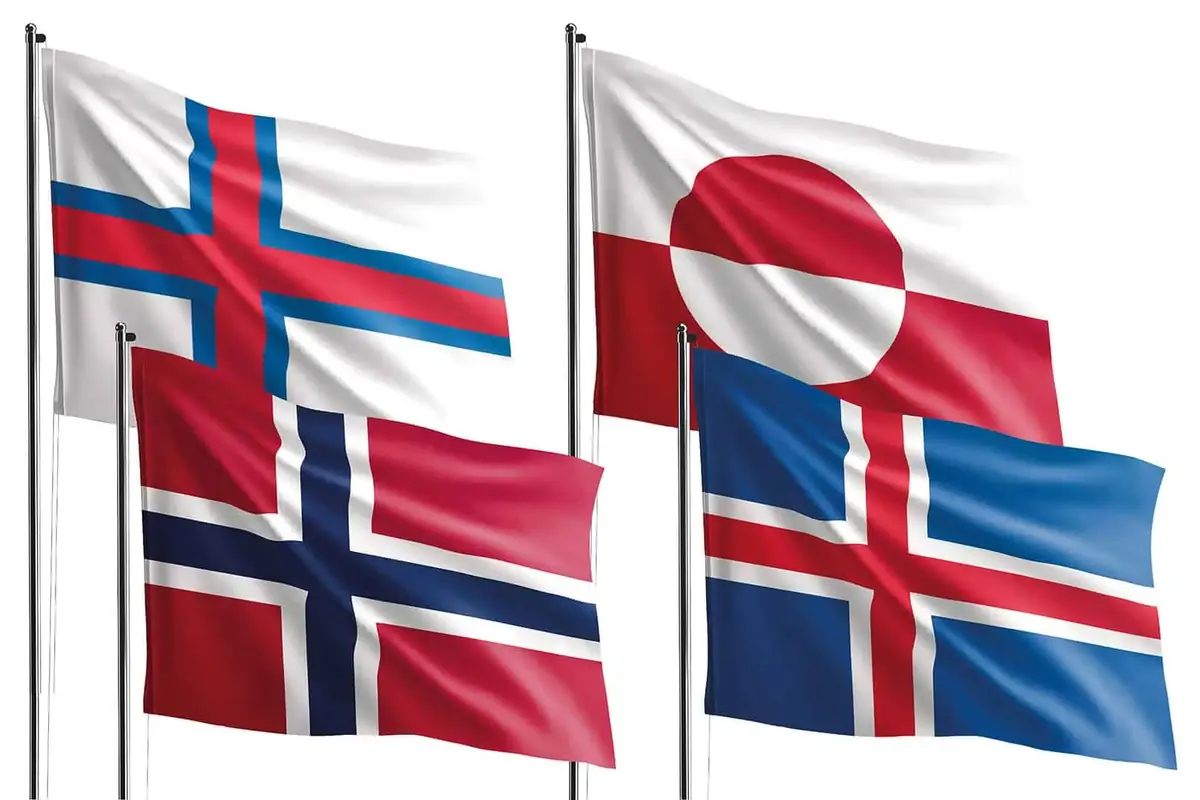
Nordic Region and the EU - lecture and debate: Tuesday 24 November 2026, 17:00–18:30, Hovedbiblioteket, Aarhus. Admission is free.
The Nordic countries have very different relationships with the EU. Denmark, Finland and Sweden are members - Denmark since 1973, Finland and Sweden since 1995. Norway and Iceland remain outside the EU but participate in the internal market through the EEA agreement. Greenland left after a referendum in 1985, and the Faroe Islands have never been members but are bound to the EU through bilateral agreements on fishing, trade and research.
Recent geopolitical tensions have reignited EU debates in non-member countries. Denmark voted to lift its defence reservation in 2022, Finland and Sweden became full NATO members, and all Nordic countries have increased defence spending. Donald Trump's repeated attempts to acquire Greenland have drawn attention to the island: the EU Commission opened its first office in Greenland in 2024, and a December 2024 poll shows 60 percent of Greenlanders would vote yes to EU membership in a new referendum. In Norway, a 2025 poll shows more Norwegians than two years ago want EU membership, and many young people are calling for a new referendum. Iceland applied for membership in 2009, suspended negotiations in 2013 and shelved them in 2015 - but on 29 August 2026, Icelanders will vote on whether the country should resume formal accession negotiations.
A lecture and debate at Hovedbiblioteket focuses on the Nordic countries' relationship with the EU. Key questions being debated include:
• Will the EU gain more Nordic members in the coming years?
• Can strengthened Nordic security cooperation contribute to security across Europe?
• What are the EU's interests in the Nordic countries - and vice versa?
• How does the EU view the tense situation in the Arctic?
The speaker is Thorsten Borring Olesen, professor at the Department of Culture and Society at Aarhus University, where he researches the EU, European integration and Nordic politics and foreign policy.
Lectures · Aarhus 128 in the next 30 days →
 60lectureTue 3.11.Aarhus Cathedral 825 Years | The Cathedral's Music
 57lectureTue 17.11.Evening Philosophy at Kulturbodega Bellis - Understanding the Return of Far-Right Extremism?
 56lectureWed 18.11.Lars Muhl and Naleea Landmann Lecture: Healing
 55lectureTue 27.10.Dr.Stine Masterclass
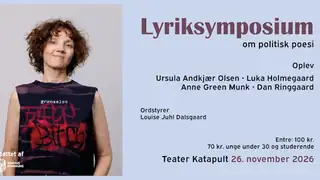 55lectureThu 26.11.Can Poetry Move the World? - Symposium
 51lectureWed 2.12.Light a Candle for Your Loved Ones, Bettina Thomsen and Christian Viborg
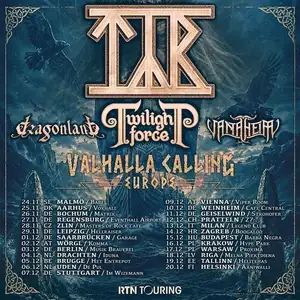 100concertWed 25.11.Týr
 100concertWed 10.2.Danmarks Underholdningsorkester Celebrates Kim Larsen
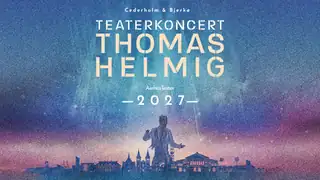 100theaterWed 22.9.Theatre Concert Thomas Helmig 2027
 99concertFri 23.10.kind mod kind
 99musicalWed 13.1.Olivia - and the Shadow Dancers' Secret
 93stand-upSat 20.3.Frank Hvam in Musikhuset