Literary Philosophy #4: Simone Weil
Hovedbiblioteket, Aarhus · Free
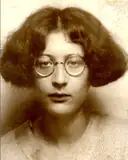
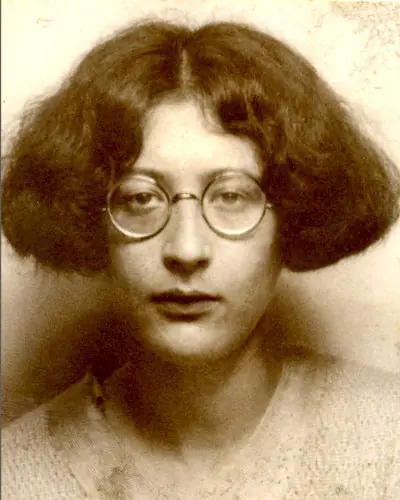
Literary Philosophy #4: Simone Weil: Wednesday 9 December 2026, 19:00–21:00, Hovedbiblioteket, Aarhus. Admission is free.
Philosophy is written and thought in many ways: as logical argumentation, dialogue, fragment, diary, novel, manifesto, poetry, letters, and fables. What potential lies in these different literary forms, and what makes them philosophical? Are there certain questions, situations, or ideas that require particular literary forms to be expressed and understood?
Through four lectures, we encounter four existentialist thinkers - Friedrich Nietzsche, Søren Kierkegaard, Albert Camus, and Simone Weil - who each approach philosophy literarily and reflect on literature's philosophical potential. Each lecture is followed by a shared discussion about the thinker in question and 'literary philosophy'.
This fourth lecture is titled "Between Writing and Life" and is held by cand.mag. Freja Værnskjold Dzougov. Simone Weil (1909-1943) lived an extraordinary life that has been the subject of almost mythic storytelling: her self-imposed factory work, participation in the Spanish Civil War, conversion to Catholicism, and the hunger strike that led to her early death. It is rare for a philosopher's work to be read and judged in such close dialogue with her way of life - usually life is used as an afterthought rather than a starting point.
The lecture does not focus on the details of Weil's life, but on her own reflections on the relationship between philosophy and way of life, thought and action, writing and life. For Weil, writing is always ambivalent: to write is a way of living, a dedication of time and attention, where one withdraws into the solitary chambers of thought - with the danger that writing becomes escapist, a flight from life and its responsibilities. At the same time, writing has the power to open up life by letting us see ourselves from the outside and recognize that things could be different. The lecture connects this question with examples of Weil's uncompromising and concise style, which in her longer works often takes the form of collected fragments.
Lectures · Aarhus 128 in the next 30 days →
 60lectureTue 3.11.Aarhus Cathedral 825 Years | The Cathedral's Music
 57lectureTue 17.11.Evening Philosophy at Kulturbodega Bellis - Understanding the Return of Far-Right Extremism?
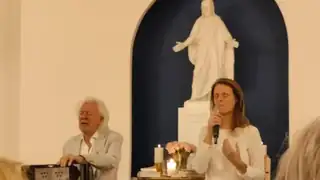 56lectureWed 18.11.Lars Muhl and Naleea Landmann Lecture: Healing
 55lectureTue 27.10.Dr.Stine Masterclass
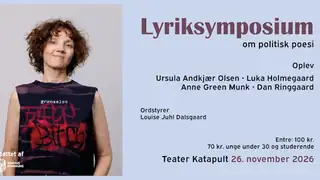 55lectureThu 26.11.Can Poetry Move the World? - Symposium
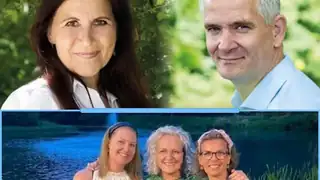 51lectureWed 2.12.Light a Candle for Your Loved Ones, Bettina Thomsen and Christian Viborg
 100concertWed 25.11.Týr
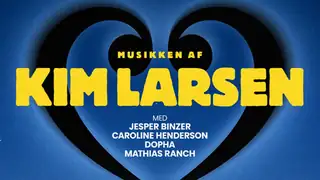 100concertWed 10.2.Danmarks Underholdningsorkester Celebrates Kim Larsen
 100theaterWed 22.9.Theatre Concert Thomas Helmig 2027
 99concertFri 23.10.kind mod kind
 99musicalWed 13.1.Olivia - and the Shadow Dancers' Secret
 93stand-upSat 20.3.Frank Hvam in Musikhuset