Public Lecture in Natural Science: Hunting the Ocean's Giants
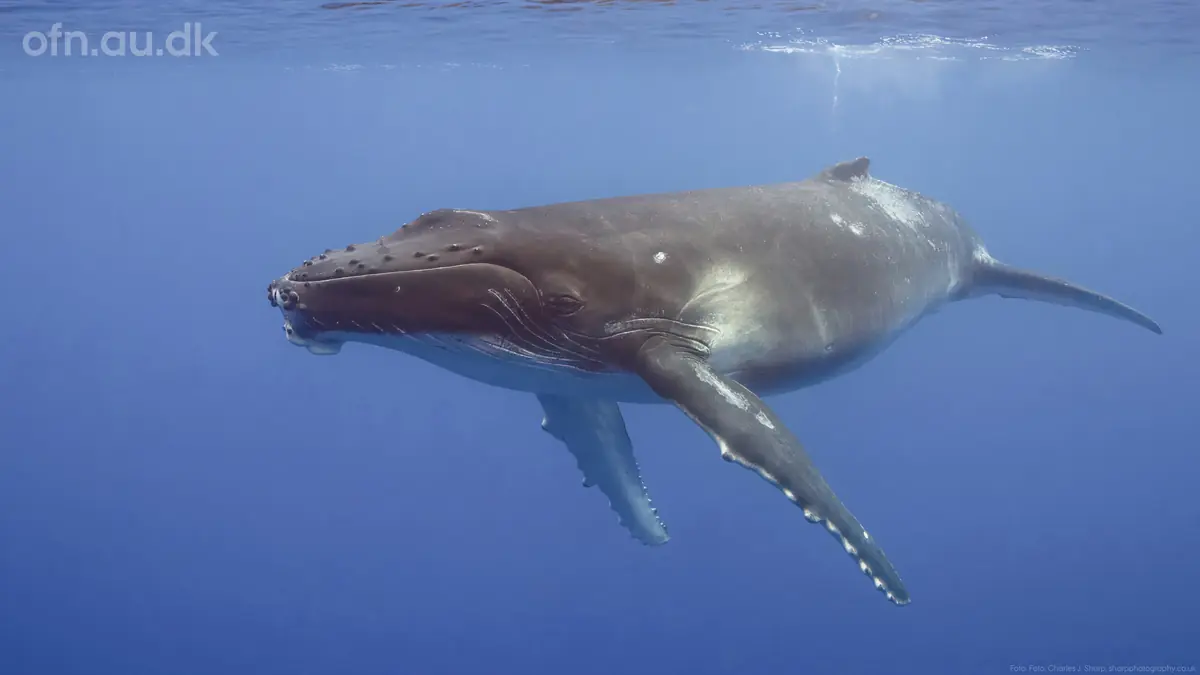
Sensory physiologist Peter Teglberg Madsen gives a lecture on the hunting lives of marine mammals - from porpoises in Danish waters to sperm whales in the deep ocean. This is an updated version of a lecture from spring semester 2019.
Earth's largest animals live in the world's oceans, but until a few years ago led an almost invisible life far from the coast. New technology - drones and measuring equipment attached to whales with suction cups - now gives researchers the opportunity to study whale biology while they hunt at great depths.
In the lecture we follow the world's smallest whale, the porpoise, hunting in Danish waters, and with deep-sea cameras we examine how the world's largest toothed whale, the sperm whale, finds food at depths of more than 1,000 meters. We also hear about the survival of the Greenland whale in Disko Bay and about the humpback whale mother, who gives birth and nurses a calf for half a year without eating. The lecture concludes with the question of sustainable coexistence with these apex predators.
Venue: Biografen, Nyborg Gymnasium.
Lectures · Nyborg 11 in the next 30 days →
 45lectureTue 3.11.Public Lectures in Natural Science: Coffee
 44lectureTue 20.10.Public Lecture in Natural Science: Quantum Computers
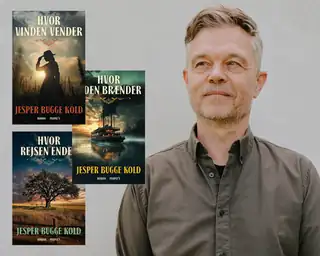 43lectureMon 1.2.Meet Author Jesper Bugge Kold
 39lectureTue 17.11.Public Lecture in Natural Science: Seaweed
 35lectureThu 26.11.Tapas and Texts
 33lectureWed 21.10.The Digital Hour: Project Gutenberg.org
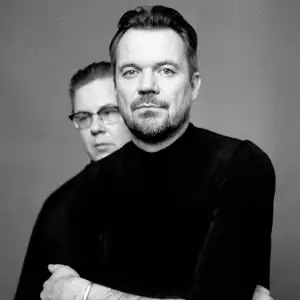 58concertThu 19.11.Peter Sommer
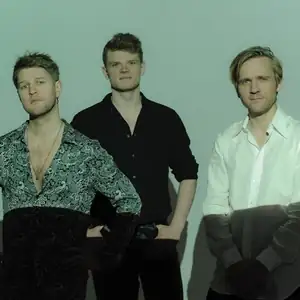 57concertThu 22.10.Dreamers' Circus
 57concertFri 6.11.Sømændene
 36otherSat 31.10.Bus Trip to Bogforum
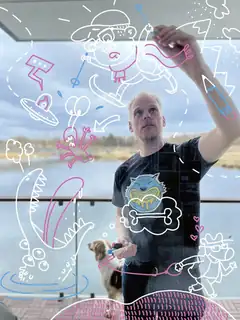 35exhibitionThu 15.10.Illustrator Peter Hermann Draws Winnie the Pooh
 31otherSat 24.10.Book Café