Wine & Science: The Greenlandic Mummies
Chr. Hansen Auditorium, Copenhagen · 120–160 kr. · ≈ 16–21 €
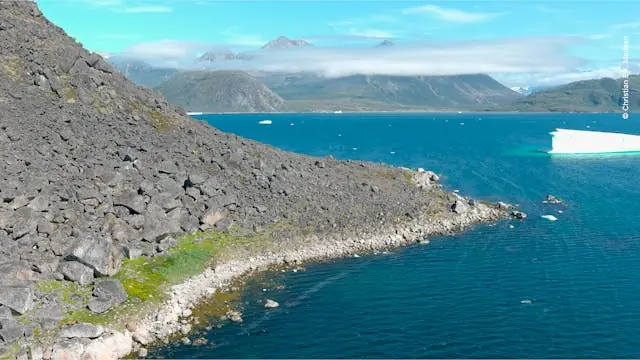
Wine & Science: The Greenlandic Mummies: Wednesday 11 November 2026, 19:00–21:15, Chr. Hansen Auditorium, Copenhagen. Tickets cost 120–160 kr.
SOLD OUT
Nearly a hundred years ago, mummies, skulls and other skeletal remains were stolen from burial chambers on Uunartoq Island in South Greenland and taken to the USA. Today, only five mummies survive. They were officially returned to Greenland's National Museum in 2024 and initially travelled to Copenhagen, where they are stored until Greenland has facilities to receive them. This sparked the research project Angerlartunnguit - "the reborn" or "the beloved homecomers" - which brings together institutions and experts from several countries to illuminate the mummies' life stories and the Inuit culture they were part of.
Five experts connected to the project will give lectures on the history of the discovery, preliminary results and the broader perspectives the project can open up:
Christian Edelfelt Koch Madsen, archaeologist and senior researcher at the National Museum, discusses the burial site on Uunartoq - the largest of its kind in the entire Arctic - and the mummies' dramatic journey from the burial ground to the USA and Denmark, and what the investigations have revealed about the buried people's world.
Maya Sialuk Edelfelt Koch Madsen, tattoo expert and spiritual guide for the Angerlartunnguit project, researches the history of Inuit tattoos. The mummies from Uunartoq bear tattoos - a female practice with roots thousands of years back in Inuit spiritual beliefs. She shows how to identify tattoos in mummified skin and unfolds their significance for Inuit beliefs and worldview.
Chiara Villa, professor of forensic anthropology, and Marie Louise Jørkov, head of the Anthropological Laboratory, have conducted bio-anthropological studies of the mummies using non-invasive methods such as CT scanning and 3D visualization. They present the results and show how these methods can reconstruct the buried people's biological profiles - age, sex, height and other physical characteristics.
Peter Andreas Toft, archaeologist and museum inspector at the National Museum, examines the grave goods more closely: hunting tools, jewellery and a
Lectures · Copenhagen 514 in the next 30 days →
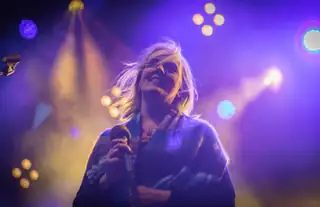 69lectureSun 25.10.Evening with Elin Brimheim Heinesen FO
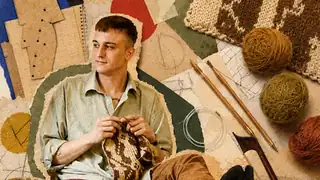 68lectureSat 21.11.Introduction to Knit Design
 65lectureWed 14.10.The Gospel Experience: WORKSHOP with Hezekiah Walker (USA), Mark Taylor (USA), Hans Christian Jochimsen (DK)
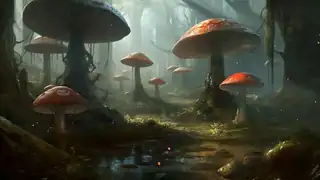 65lectureTue 10.11.Science & Cocktails in X31: The Secrets Behind the World of Mushrooms
 63lectureMon 9.11.An Evening with Yotam Ottolenghi
 63lectureWed 11.11.Emma Holten and Sine Plambech on Debt
 100concertTue 23.3.Lizzy McAlpine
 100concertThu 22.10.Gavin DeGraw
 100concertSat 21.11.Sub Focus
 100festivalSat 7.11.Post Punk Fest Cph II
 100festivalFri 7.5.Turbo Jugend Weekend Ticket Råhuset/Basement
 100clubFri 23.10.Gravity presents: Eric Prydz - Copenhagen