Wine & Science: Microorganisms - Latest from the Research Front
Chr. Hansen Auditorium, Copenhagen · 120–160 kr. · ≈ 16–21 €
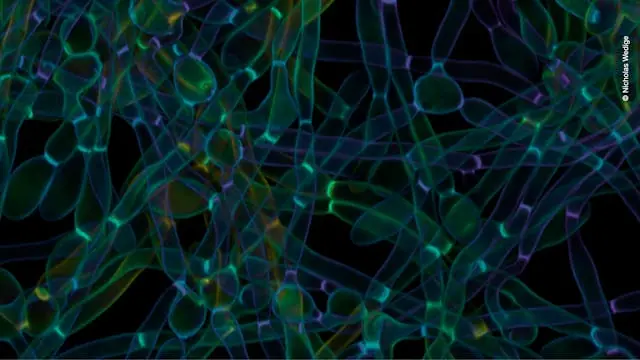
Wine & Science: Microorganisms: Wednesday 18 November 2026, 19:00–21:15, Chr. Hansen Auditorium, Copenhagen. Tickets cost 120–160 kr.
WINE & SCIENCE: MICROORGANISMS - SOLD OUT 🎫 New tickets go on sale Wednesday, August 12 at 6 p.m.
Four researchers take us into the microscopic world and present their current research. We cannot see microorganisms with the naked eye, but they turn out to play a far greater role in the world than previously assumed - and their mutual communication and interactions with their surroundings are more complex than previously thought.
The programme covers four topics: airborne bacteria and their influence on climate and weather, bacterial chemical communication, biofilm as the most widespread life form of bacteria, and what happens to microorganisms - and us - when permafrost in the Arctic thaws.
Speakers and topics:
Microbiologist and professor RIKKE LOUISE MEYER researches the processes that lead to biofilm formation. Biofilm is a complex ecosystem of cooperating microorganisms - for example the slime layer that forms in bathroom drains or as a coating on teeth. Bacteria form biofilm to protect themselves against external threats, and it is so effective that bacteria can resist biocides, antibiotics and the body's immune system, which creates major challenges in industry and healthcare.
Ph.D. in marine microbiology NATHALIE EIRIS HENRIKSEN, who won DR's Researcher Festival - Ph.D. Cup 2024, has been able to eavesdrop on marine bacteria's chemical "conversations" using a new advanced analysis technology. Microorganisms communicate constantly via signal molecules that control their behaviour and interactions, but the molecules are so volatile and small that they are difficult to trace in nature.
Professor KAI FINSTER is among the pioneers of modern aeromicrobiology - the study of atmospheric microorganisms. Under the title "The Weather Forecast - Now with Bacteria" he tells how airborne bacteria are not just passive passengers on dust particles, but can actively accelerate the formation of raindrops, ice crystals and thus clouds and precipitation.
Professor of microbiology ANDERS PRIEMÉ deals with permafrost
Lectures · Copenhagen 514 in the next 30 days →
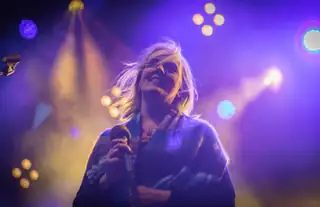 69lectureSun 25.10.Evening with Elin Brimheim Heinesen FO
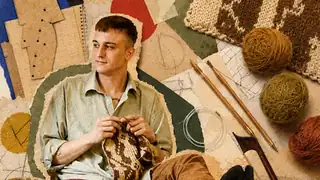 68lectureSat 21.11.Introduction to Knit Design
 65lectureWed 14.10.The Gospel Experience: WORKSHOP with Hezekiah Walker (USA), Mark Taylor (USA), Hans Christian Jochimsen (DK)
 65lectureTue 10.11.Science & Cocktails in X31: The Secrets Behind the World of Mushrooms
 63lectureMon 9.11.An Evening with Yotam Ottolenghi
 63lectureWed 11.11.Emma Holten and Sine Plambech on Debt
 100concertTue 23.3.Lizzy McAlpine
 100concertThu 22.10.Gavin DeGraw
 100concertSat 21.11.Sub Focus
 100festivalSat 7.11.Post Punk Fest Cph II
 100festivalFri 7.5.Turbo Jugend Weekend Ticket Råhuset/Basement
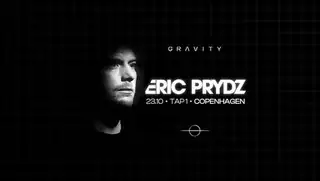 100clubFri 23.10.Gravity presents: Eric Prydz - Copenhagen