Lecture on Sønderborg's Economic Development 1864-1970
Sønderborg Slot, Sønderborg · 90 kr. · ≈ 12 €
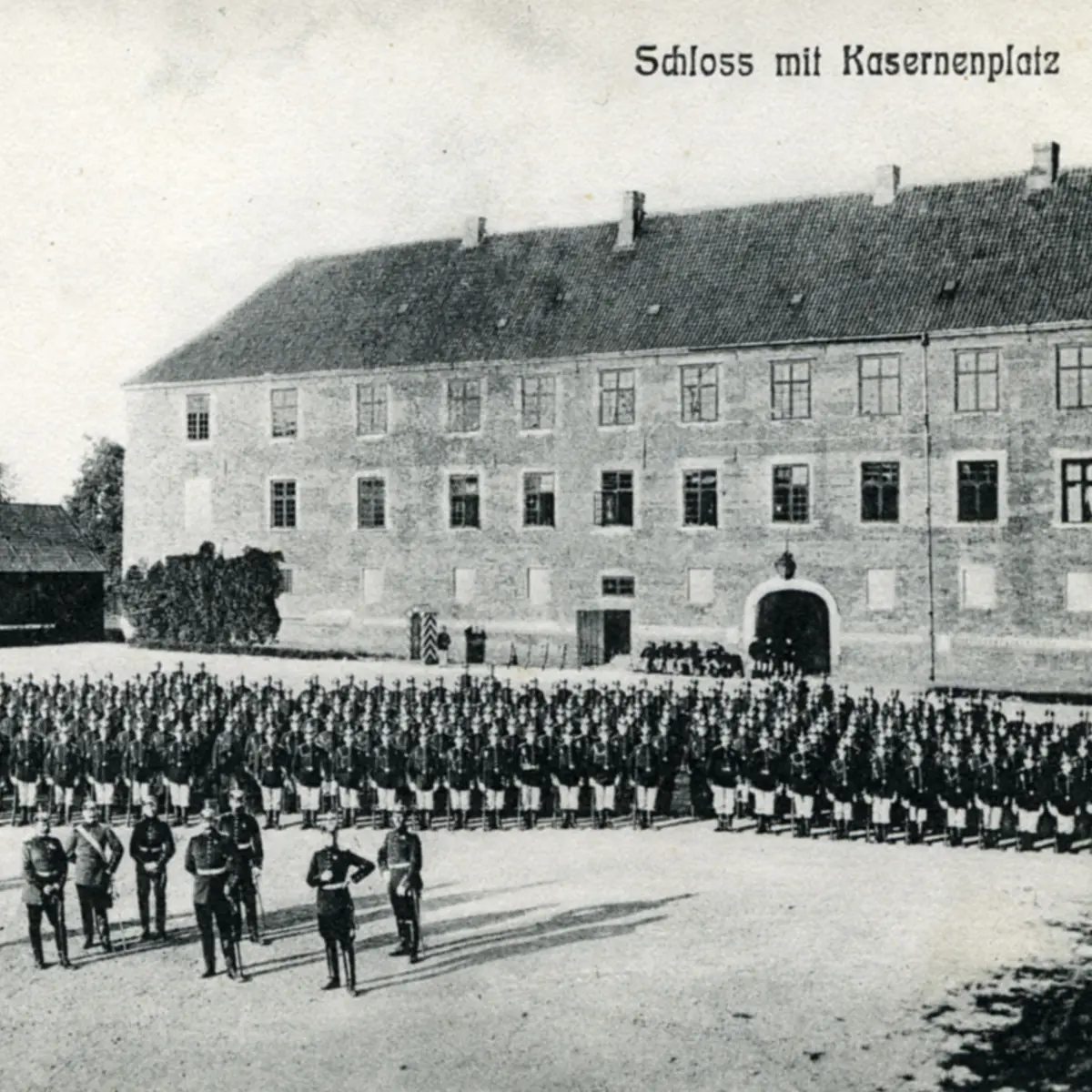
When Sønderborg became German in 1864, it was a thriving provincial town with a flourishing maritime trade. Over the following 30-40 years, the city stagnated while growth accelerated elsewhere in Germany and most Danish provincial towns. Wooden shipbuilding died out, and Sønderborg only partially embraced the industrial era - a fate shared by other towns in present-day South Jutland. In the old duchy, Flensburg was the only city that truly grew.
Toward the end of the German period, Sønderborg received a decisive boost when German authorities decided to build a large naval barracks in the town, which already housed an army barracks. The military became an important growth engine. At the Reunification, two barracks became one, but Sønderborg remained a garrison town - and now industrial growth truly took off.
Historian Carsten Porskrog Rasmussen examines the main features of the town's development over more than 100 years from 1864 to 1970 and explores what drove it.
The lecture is held in collaboration with the Historical Society for Als and Sundeved. Tickets: adults 90 kr., annual pass 72 kr., members of HSAOS free.
Lectures · Sønderborg 40 in the next 30 days →
 72lectureThu 4.2.Nordic Masterclass with Jorma Panula
 70lectureWed 7.10.Clairvoyance Evening with Christian Viborg
 63lectureWed 24.3.DKDM Conducting Seminar
 59lectureThu 15.4.History Upside Down
 53lectureSat 19.9.1-day beginner painting course at Sønderjyllands Kunstskole
 49lectureTue 6.10.Yarn & Words
 100concertFri 23.10.Thorbjørn Risager & The Black Tornado
 100concertThu 10.12.Johnny Logan // Sønderborghus
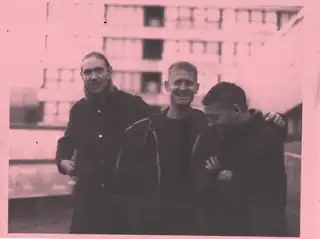 99concertFri 6.11.When Saints Go Machine // Sønderborghus
 86festivalWed 30.9.DM i Stand-up 2026 // Sønderborghus
 79stand-upFri 30.10.Jonathan Christensen // Sønderborghus
 73classicalThu 17.9.Prokofiev's Piano Concerto No. 2