Can Democracy Still Speak? - Habermas and the Conditions of Public Discourse Today
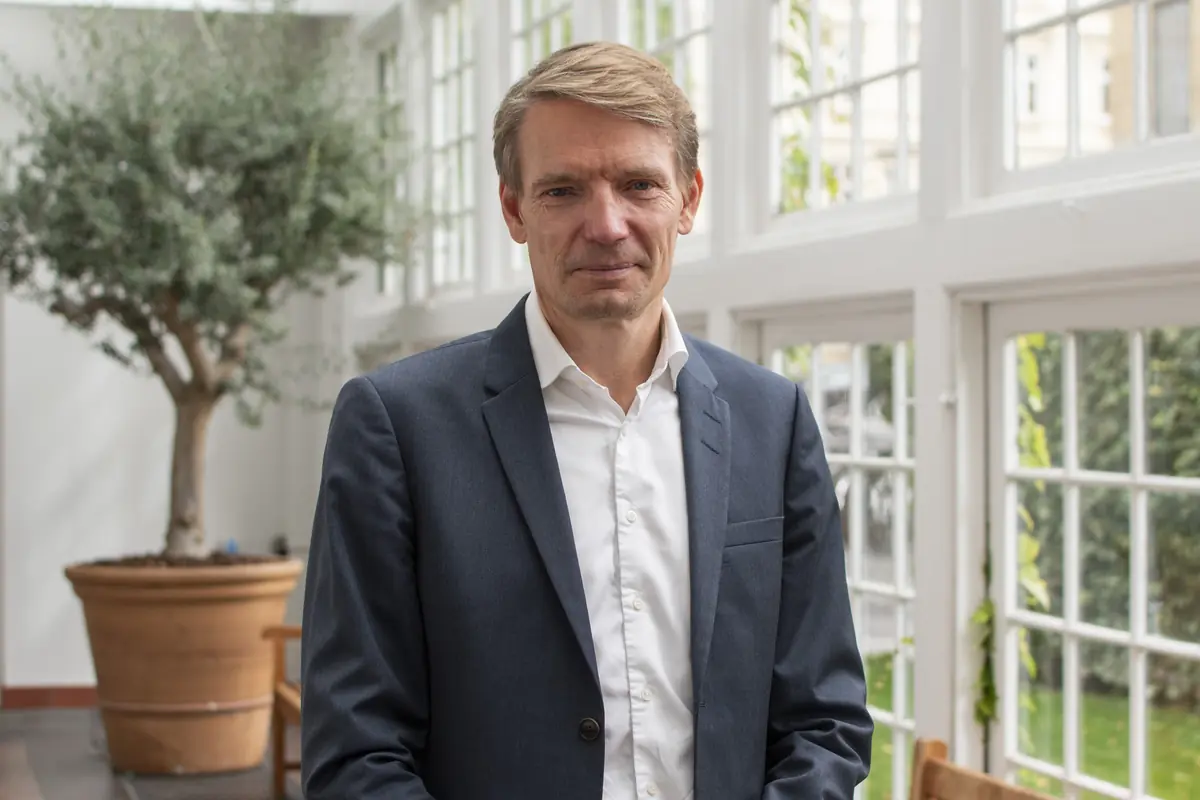
What happens to democracy when shared conversation dissolves into echo chambers, polarization, and mistrust? This lecture explores that question through the lens of German philosopher Jürgen Habermas' thinking.
From the 1960s until his death earlier this year, Habermas worked on democracy as a project dependent on citizens' ability to speak with one another. His theories of the public sphere, communicative action, and deliberative democracy examine how conversation can create shared understanding and justification - and what forces undermine it. At 93, he returned to these questions in a new book that specifically analyzes the role of social media in public discourse.
Christian F. Rostbøll, professor at the Department of Political Science at the University of Copenhagen, introduces Habermas' perspectives and connects them to current debates about democratic participation and polarization. Rostbøll has previously written about democracy's thinkers, including Habermas, Hannah Arendt, and Immanuel Kant.
The event takes place in the Auditorium and is organized by Sorø Folkeuniversitet, which offers research-based lectures in philosophy, art, politics, astronomy, biology, and history. Questions can be sent to fusoroe@pm.me.
Lectures · Sorø 12 in the next 30 days →
 48lectureThu 14.1.Cultural Institutions Between Woke and Anti-Woke
 43lectureWed 28.10.The Danish Language Today
 43lectureThu 12.11.Dangerous Books
 43lectureMon 30.11.When Thoughts Overwhelm
 43lectureThu 11.2.Book Bans Today - Russia and the USA
 43lectureTue 13.4.Life Forces - On Surviving Illness
 65concertSun 25.10.Jette Torp
 63concertWed 9.12.Sveistrup - Singing in Christmas
 61concertFri 6.11.Fællessang
 61clubSat 12.12.Christmas Party at CoisBar
 59stand-upFri 20.11.Uffe Lorenzen
 53marketSat 28.11.Red Cross Christmas Market