Coffee
Højbjerg Bibliotek, Højbjerg · Free
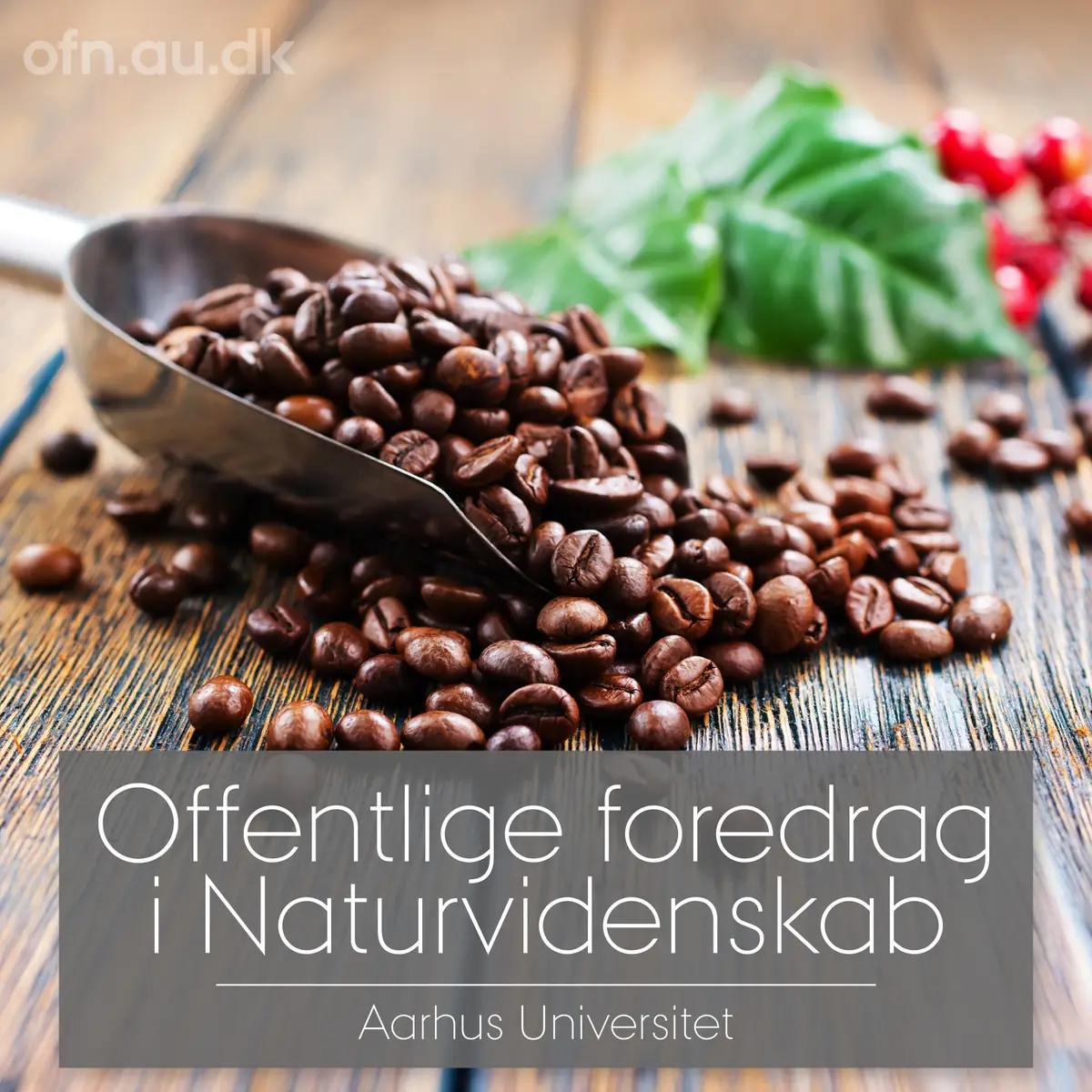
Coffee - research in botany, economics and health: Tuesday 3 November 2026, 19:00–21:00, Højbjerg Bibliotek, Højbjerg. Admission is free.
Three researchers examine the coffee plant from different angles at this lecture at Højbjerg Library.
Botanist Anders Barfod has worked with tropical plant resources for over forty years and presents the biology of the coffee plant - from its wild relatives in the Coffea genus to the journey from ripe fruit on the bush to the finished cup. Along the way, he explores what agrobiodiversity concretely means for agriculture in a changing world.
Natural resource economist Aske Skovmand Bosselmann zooms out to the millions of farmers in the coffee belt around the Equator who together supply enough coffee for 30,000 cups per second. Coffee cultivation has historically cost forests and biodiversity, but under the right conditions it now contributes to ecosystem services relevant to climate change - and the latest research points to how production can be adapted to a changing climate.
Diabetes and nutrition researcher Kjeld Hermansen addresses the claims most coffee drinkers have heard: that coffee is unhealthy, causes cancer or heart disease, or even shortens life. He reviews what research actually shows about coffee and mortality, common diseases such as type 2 diabetes and neuropsychiatric disorders, and discusses his own research group's work on coffee's mechanisms of action. As a historical backdrop, he also covers how Danish coffee habits have evolved since coffee first reached Denmark in 1665.
Events · Højbjerg 11 in the next 30 days →
 43lectureTue 17.11.Seaweed
 33lectureTue 20.10.The Quantum Computer
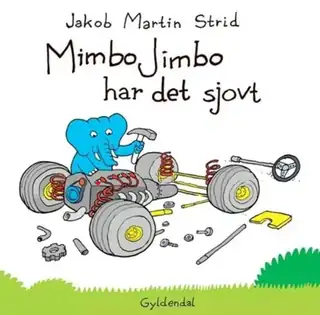 33lectureFri 23.10.Mimbo Jimbo Has Fun
 33lectureMon 26.10.Emergency Preparedness: Self-Sufficiency for 3 Days
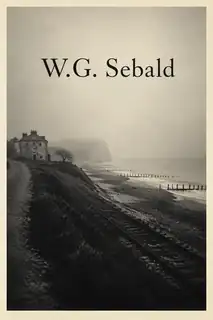 33lectureWed 25.11.Lecture: W. G. Sebald
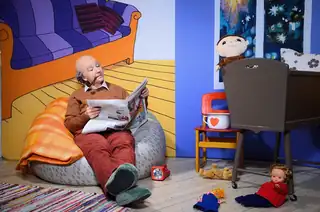 41theaterFri 20.11.Albus Festival: Goodnight, Alfons Åberg
 34otherSat 5.12.At the Craft Table: Christmas Tree
 31otherSat 7.11.At the Creative Table: Mushroom House
 31otherSat 21.11.At the Craft Table: Cute Penguins
 31otherSat 12.12.At the Craft Table: A Christmas Dog
 28otherSat 17.10.At the Creative Table: Star Community
 28otherWed 21.10.Nörkel